Streaming Wars, AI Playlists, and the Social Discovery Shift: What Artists Need to Know in 2026
The music industry in 2026 is being reshaped by the streaming wars, AI-generated playlists, and the rise of social discovery platforms that influence how fans find new music. Artists who understand how algorithms, short-form content, and platform competition drive discovery will have a major advantage in reaching new audiences.
The music industry is moving fast in 2026, and artists who stay informed are the ones who gain ground. From a dramatic streaming price war reshaping the listener landscape to artificial intelligence transforming how music gets discovered, the first quarter of the year has already delivered a wave of developments that carry real implications for anyone trying to build a career in music.
Spotify Raises Prices Again, Apple Music Strikes Back
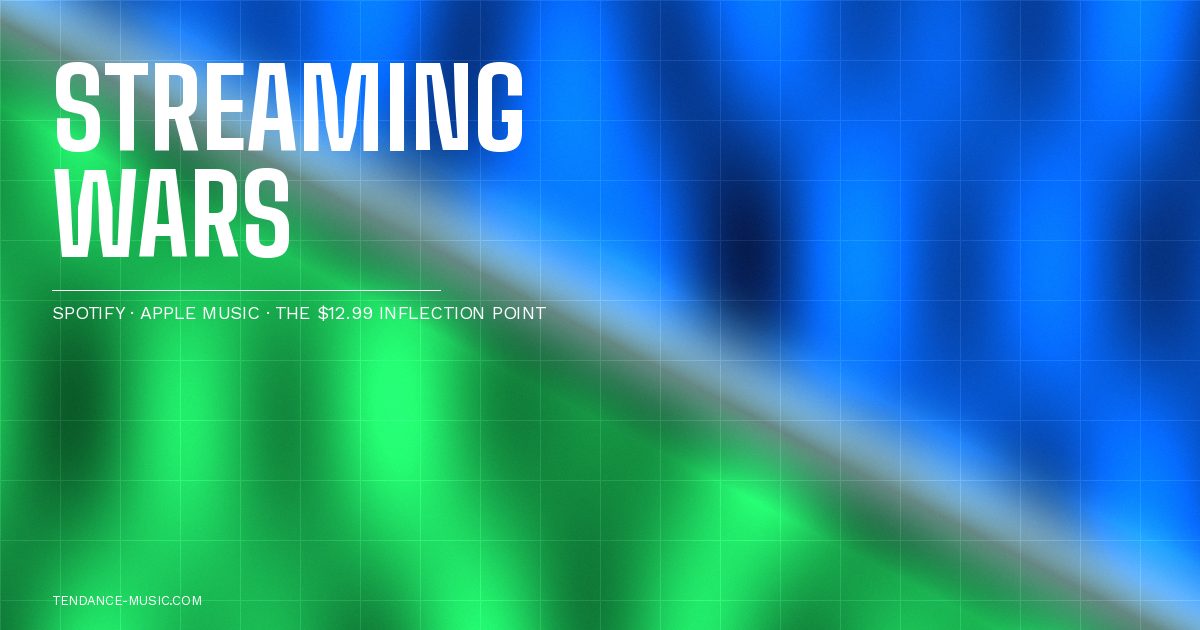
Spotify's latest round of price increases went into effect for U.S. subscribers in February 2026, pushing the individual plan to $12.99 per month. The move marks a sharp acceleration for a platform that held the line at $9.99 for over a decade before beginning its price climb in 2023. For subscribers who have watched their monthly bill creep upward with little warning, the latest hike has become a genuine flashpoint.
Apple Music wasted no time capitalizing on the moment. Still priced at $10.99 per month, Apple Music launched a targeted marketing campaign poking fun at the widening gap, and paired it with the biggest product update the platform has seen in years. New features rolling out via the iOS 26.4 beta include multi-song playlist management, an AI-powered playlist generation tool, and a sweeping visual redesign using Apple's new Liquid Glass design language. The interface overhaul pulls colors dynamically from album artwork, giving the listening experience a more immersive feel.
The broader context makes this rivalry significant for artists as well as listeners. A new MusicWatch study published in March 2026 found that the United States now has 130 million paid music streaming subscribers, a 10% jump from 2024 and up from just 29 million a decade ago. That growth signals a market that is still expanding even as it matures. For artists, the practical takeaway is that platform diversification matters more than ever. Listeners are choosing sides, and making sure your music is fully optimized and discoverable on both Spotify and Apple Music ensures you capture streams no matter where your audience lands.
AI Becomes a Standard Tool Across Streaming and the Studio
The integration of artificial intelligence into the music industry is no longer an emerging story. It is the current story. By early 2026, every major streaming platform has released its own version of AI-generated playlist tools. Spotify's "Prompted Playlist" expanded from a New Zealand beta to the U.S. and Canada in January, followed by YouTube Music in February and Apple Music shortly after. Spotify's version is considered the most mature, supporting conversational refinements and daily or weekly playlist refreshes based on listener mood and activity.
Behind the scenes, the legal landscape around AI-generated music is settling into new territory. After landmark copyright infringement lawsuits filed by the major record labels against AI music generators Suno and Udio, both companies reached settlements at the end of 2025. The result has reshaped how those platforms operate: Udio has become a closed environment where generated music cannot be exported, while Suno now requires users to pay to download tracks. Industry leaders at Billboard's Power 100 summit described 2026 as the year where the music world transitions from anxiety about AI to genuine collaboration, with artists using the technology as a creative amplifier rather than a replacement.
For artists, the AI wave presents both an opportunity and a challenge. AI playlist algorithms are increasingly gatekeeping what listeners hear on their daily mixes and recommended stations. That means the metadata attached to your releases, including genre tags, mood descriptors, and release timing, directly affects whether AI-powered systems surface your music to new listeners. Artists who treat their release strategy as a technical discipline, not just a creative one, will be better positioned to thrive in this environment.
Social Media Now Drives Almost Half of All Music Discovery
A consistent thread running through music industry reporting in early 2026 is the decisive shift in how people find new music. Research published this quarter shows that 47% of listeners now discover new artists through TikTok or Instagram before ever encountering them on Spotify or Apple Music. That is not a marginal shift. It represents a fundamental reorganization of the music discovery funnel, and it has major implications for how artists think about promotion.
TikTok's For You Page remains the most powerful organic discovery engine in music, and its architecture is built around serving content to people who have never heard of you. Unlike Instagram or YouTube, where reach tends to favor established followings, TikTok's algorithm evaluates content on its own merits, meaning a first-time video can reach millions of new listeners without any paid boost. Music Ally's 2026 marketing trend report highlights that artists are increasingly building mystery-driven campaigns and world-building narratives around single releases, using social media not just to announce music but to create an experience before the song even drops.
Authenticity is consistently outperforming production value on short-form video. Process videos, behind-the-scenes footage, and raw creative moments tend to generate more engagement and emotional connection than polished promotional clips. The practical strategy that is working in 2026 is to create content natively for TikTok first, then repurpose it across Instagram Reels and YouTube Shorts. Using your music as an "original sound" on TikTok also allows other creators to carry your song into their own content, which is how organic virality takes hold. For artists looking to grow their audience organically, this kind of earned discovery is one of the most powerful tools available.
Navigating 2026 with the Right Support
Each of these three stories points toward the same underlying reality: the barriers between a great song and a wide audience are increasingly technical, algorithmic, and platform-specific. Knowing how to produce music is no longer enough on its own. Artists in 2026 need to understand streaming metadata, social content strategy, platform optimization, and the timing of releases across multiple channels simultaneously.
This is exactly the kind of complexity that a dedicated music promotion partner is built to navigate. Tendance Music works with artists to develop and execute promotion strategies across the platforms where discovery is actually happening in 2026. Whether that means getting your track featured on curated Spotify and Apple Music playlists, running targeted paid advertising campaigns on TikTok and Instagram, or building out short-form video content that creates genuine engagement, the goal is always the same: connecting your music with the listeners who are most likely to care about it. You can explore the full range of promotion services available at tendance-music.com/promotion.
The streaming wars and AI revolution are not going to slow down. If anything, the pace of change is accelerating. The artists who treat music promotion as an ongoing discipline rather than a one-time push are the ones who build lasting fan bases and consistent streaming momentum. Understanding the landscape is the first step. Putting the right strategy behind your releases is how you actually take advantage of it. If you are ready to talk about what a targeted promotion campaign could look like for your music, reach out to the Tendance Music team and start that conversation.